Smart Scales Explained
Recommended picks


What a smart scale actually does
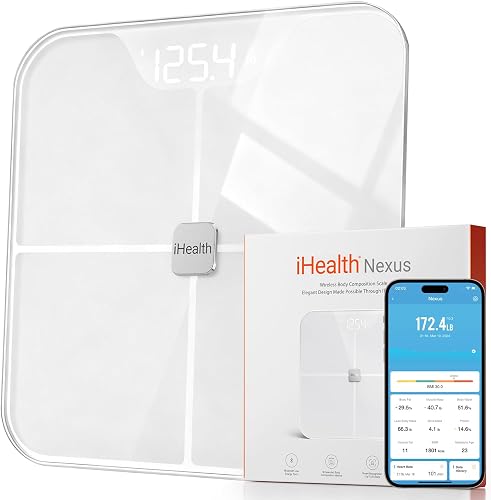
At its core, a smart scale measures your weight the same way an ordinary digital scale does, using load sensors under the platform. The smart part is the wireless link. Instead of writing the number down, the scale pairs with an app on your phone over Bluetooth or Wi-Fi and stores each reading automatically. Over weeks and months that history becomes a simple chart you can scroll through. Some scales support multiple user profiles, so several people in a household can track their own numbers separately.
How body composition readings work
Many smart scales add body composition figures such as body fat, muscle and water percentages. They do this with bioelectrical impedance analysis, often labeled BIA on the box, which passes a small, harmless current up through your feet and measures how easily it travels. The Konquest KDS-1003G lists its measurement type as Electrical Impedance (BIA), which is the same idea most app connected scales use. These numbers are estimates based on formulas, not lab measurements, so use them to watch your own trend rather than as exact values. Bare feet and consistent timing make the readings more repeatable.
Reading the weight number you can trust
The weight reading is the figure to lean on, since it comes straight from the sensors rather than a formula. Most home scales describe accuracy to within about 0.1 to 0.2 pounds, and a typical weight capacity is around 400 pounds. The Fitindex ES-26M, for example, lists Pounds and Kilograms with a 396 pound capacity, while the iHealth HS2S lists pounds and kilograms with a 400 pound capacity. Both report ratings near 4.5 stars across very large review counts, with the Fitindex at about 79,400 reviews and the iHealth at about 4,900. Even an accurate scale can vary a little between weigh-ins, which is normal.
Apps, syncing and privacy
The companion app is where a smart scale earns its name, so it is worth a quick look before you buy. Check that the app is available for your phone, whether it asks you to create an account, and whether it can share data with apps you already use. Bluetooth only scales typically need your phone nearby to sync, while Wi-Fi models can upload on their own. Because these apps store personal numbers, review what data is collected and how it is used. If health data matters to you, read the maker's privacy policy before signing up.
What the numbers do and do not mean
A smart scale is an informational tool for spotting your own patterns, not a medical device. The body fat, muscle and water estimates can drift with hydration, time of day, recent meals and exercise, so a single reading is less useful than the direction over several weeks. None of these figures diagnose a condition or measure your health on their own. If a reading worries you or you are managing a specific health goal, talk with a healthcare professional who can put the numbers in context. Weigh yourself at a consistent time, such as in the morning, for the most comparable results.
What to check before you buy
Start with the basics that affect everyday use: a clear display, a stable platform and a weight capacity that comfortably exceeds your needs. Decide whether you want body composition estimates or just a reliable weight, since simpler scales are often cheaper and easier to live with. Confirm the connection type, Bluetooth or Wi-Fi, and that the app suits your phone. Smart scales in this category often sit in a friendly price range, with the Fitindex ES-26M around 25 dollars and the iHealth HS2S around 35 dollars at the time of writing, though prices change. Finally, weigh the rating against the number of reviews so a high score is backed by real volume.
Common mistakes to avoid
- Treating the body fat or muscle percentage as an exact, clinical figure instead of a rough trend.
- Weighing in at different times of day, after meals or workouts, then worrying about normal swings.
- Buying for app features without confirming the app supports your phone or your privacy comfort.
- Ignoring the review count and trusting a high rating that only a handful of people gave.
- Placing the scale on carpet or an uneven floor, which can make readings wobble.
- Assuming a smart scale can diagnose a condition or replace advice from a healthcare professional.
Frequently asked questions
Are smart scale body fat readings accurate?
They are estimates produced by bioelectrical impedance formulas, not lab measurements, so treat them as a general trend rather than an exact value. Readings can shift with hydration, time of day and recent activity. Weighing under consistent conditions makes them more comparable over time.
Do I need Wi-Fi, or is Bluetooth enough?
Bluetooth is usually enough if you do not mind having your phone nearby when you weigh in, since the scale syncs to the app at that moment. Wi-Fi models can upload readings on their own without your phone present. Choose based on how hands off you want the syncing to be.
Is the small electrical current from a body composition scale safe?
Manufacturers describe the bioelectrical impedance signal as small and harmless for general use. As with any health related device, if you have a specific medical concern or an implanted electronic device, check the product manual and ask a healthcare professional. HealthQuay is informational only and does not provide medical advice.
Can a smart scale replace a doctor's visit?
No. A smart scale is a tracking tool for your own trends and does not diagnose or treat anything. If a reading concerns you or you are working toward a health goal, speak with a healthcare professional who can interpret the numbers for your situation.
Why does my weight change between readings on the same day?
Body weight naturally fluctuates through the day with food, fluids and activity, so small differences are expected. For the most comparable numbers, weigh yourself at the same time each day, such as in the morning, on a hard level floor. Watching the weekly trend is more useful than any single reading.